




Michelin at a glance
The story of Michelin tyres began in 1889 in Clermont-Ferrand, when brothers André and Édouard Michelin took over the family rubber factory. Two years later they patented a removable bicycle tyre. In 1898 came Bibendum, the mascot made from a stack of tyres. In 1900 the brothers published the first Michelin Guide to encourage motorists to drive more – and wear out more tyres. It grew into today's restaurant guide, stars and all. In 1946 Michelin patented the radial tyre, which is now the standard for passenger cars.
Today Michelin is one of the world's largest tyre manufacturers and an independent, publicly listed group. BFGoodrich, Kleber and Serbia's Tigar belong to the same group. It has factories in dozens of countries – in Europe, for example, in France, Spain, Poland, Hungary, Romania and Serbia. Michelin tyres sit in the premium price bracket. They suit drivers who cover a lot of miles and value long tread life, low rolling resistance and consistent handling throughout the life of the tyre.
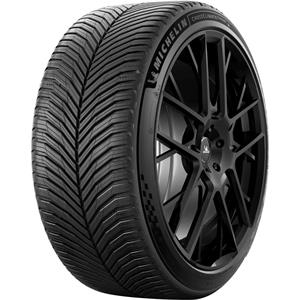
For Nordic winters, Michelin offers the X-Ice North 4 studded tyre and the X-Ice Snow non-studded tyre, designed for snow and ice. Its Central European winter tyres are the Alpin 7 and, for sportier cars, the Pilot Alpin 5. Among Michelin's summer tyres, the best known are the Primacy 4+ and Pilot Sport 5. The CrossClimate 2 is an all-season tyre with the snowflake symbol, aimed at drivers who prefer a year-round solution and mostly drive in a mild climate.